

Who Speaks for the Brook?
A logging road crosses a wild trout stream. Vermont has rules for what happens next. But who makes sure they’re followed?

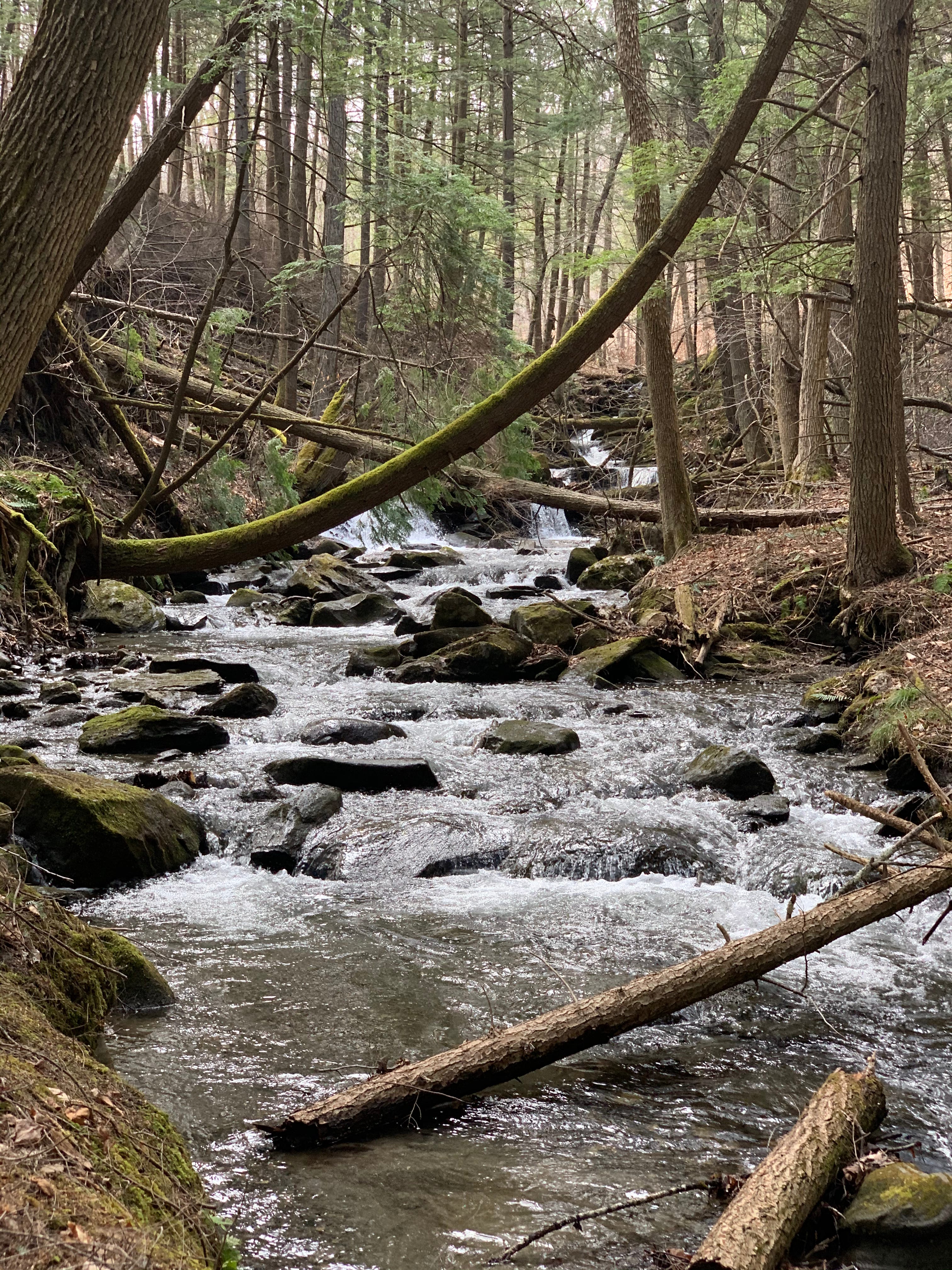
In the heart of a steep-sided valley in the Vermont woods runs a brook. In some places, it’s narrow enough to leap over. In others, it lays itself wide and golden over shallow, sandy flats. It races through stands of silver birch and cuts beneath their moss-covered roots. Farther down, its spring-fed waters tumble over wide, ancient stones before plunging into shadowed pools where, on the hottest days of summer, you can submerge your entire body in its cold, clear flow.
This is Honey Brook. And the land through which it runs is the closest thing I have to a family home. My family moved into a small cabin in these woods the summer before I turned eight. In the more than three decades since, I’ve returned as often as I could. It was a place that always felt remote, hidden from the workings of the world beyond the valley. A sanctuary.
Tuesday morning, I walked along its banks again. But this time, something had changed.
Before this week, I had never heard of Vermont’s Acceptable Management Practices for Maintaining Water Quality on logging sites. I had never read the State’s rules for stream crossings or considered what permits might be required to move earth around a trout stream. I had no reason to.
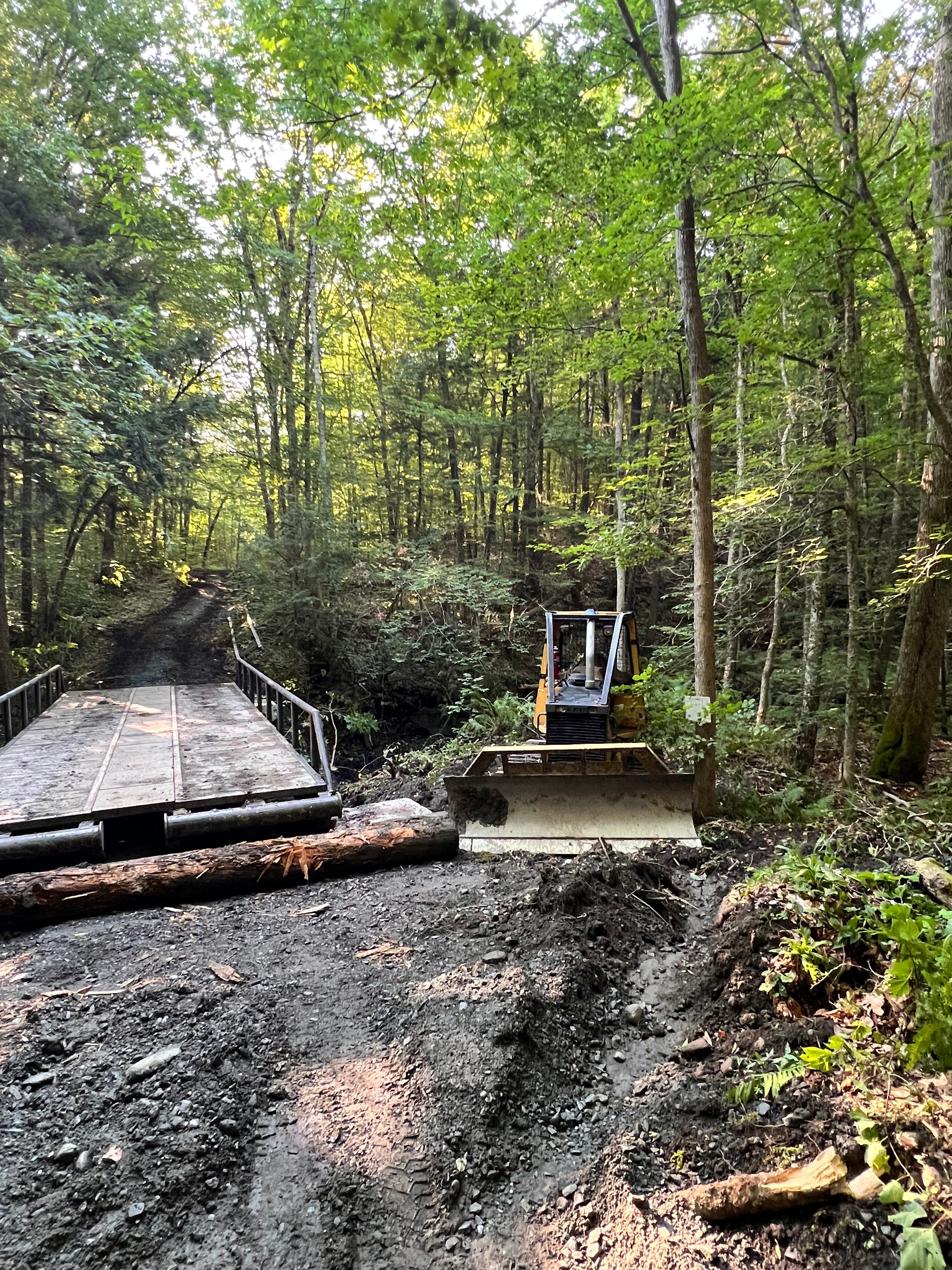
Then I saw the bright yellow bulldozer parked alongside Honey Brook, its tracks muddy from the freshly upturned banks.
And I started asking questions.
Logging is hardly foreign to this place. By the mid-1800s, farming, sheep grazing and logging had cleared much of Vermont’s forests. I’ve seen old stereographs of Sharon from that time; the hills are nearly bare. The woods surrounding Honey Brook still hold relics of that earlier landscape: stone walls, cellar holes and the remains of a small mill. At the right time of year, you can still trace the old stagecoach road as it climbs over the ridge and drops into the town beyond. Working these forests is as much a part of this valley’s history as the old stone walls slowly disappearing back into it.
Accessing timber requires roads. And in a landscape cut by brooks, seeps and mountain drainages, those roads inevitably encounter water. Here, one of them crosses Honey Brook, home to a population of wild, native brook trout.
A wild brook trout is less an inhabitant of a healthy stream than proof of one. It needs cold, clean, oxygenated water. It needs gravel in which to spawn, pools in which to shelter, insects to eat and passage between them. A population that reproduces year after year is evidence that all of those things still exist together. Honey Brook is still one of those places.
Honey Brook Road is a small dirt road that drops off the pavement and follows the northern side of Honey Brook for roughly a mile before diving down to cross it. Beyond the crossing, the road narrows to little more than a single track before continuing into the woods.
It was here, at the crossing, that I found the bulldozer and the men responsible for the logging project already in full swing.
There is nothing unusual about a logging road crossing a brook. In a state as wet and wooded as Vermont, it happens all the time. The question isn’t whether a road can cross the water. It’s how.
Vermont does have an answer: Acceptable Management Practices. The AMPs establish practices logging operations are expected to follow to protect water quality. They also articulate the steps needed to keep streams flowing within natural stream channels and prevent damage to the stream bed and banks.
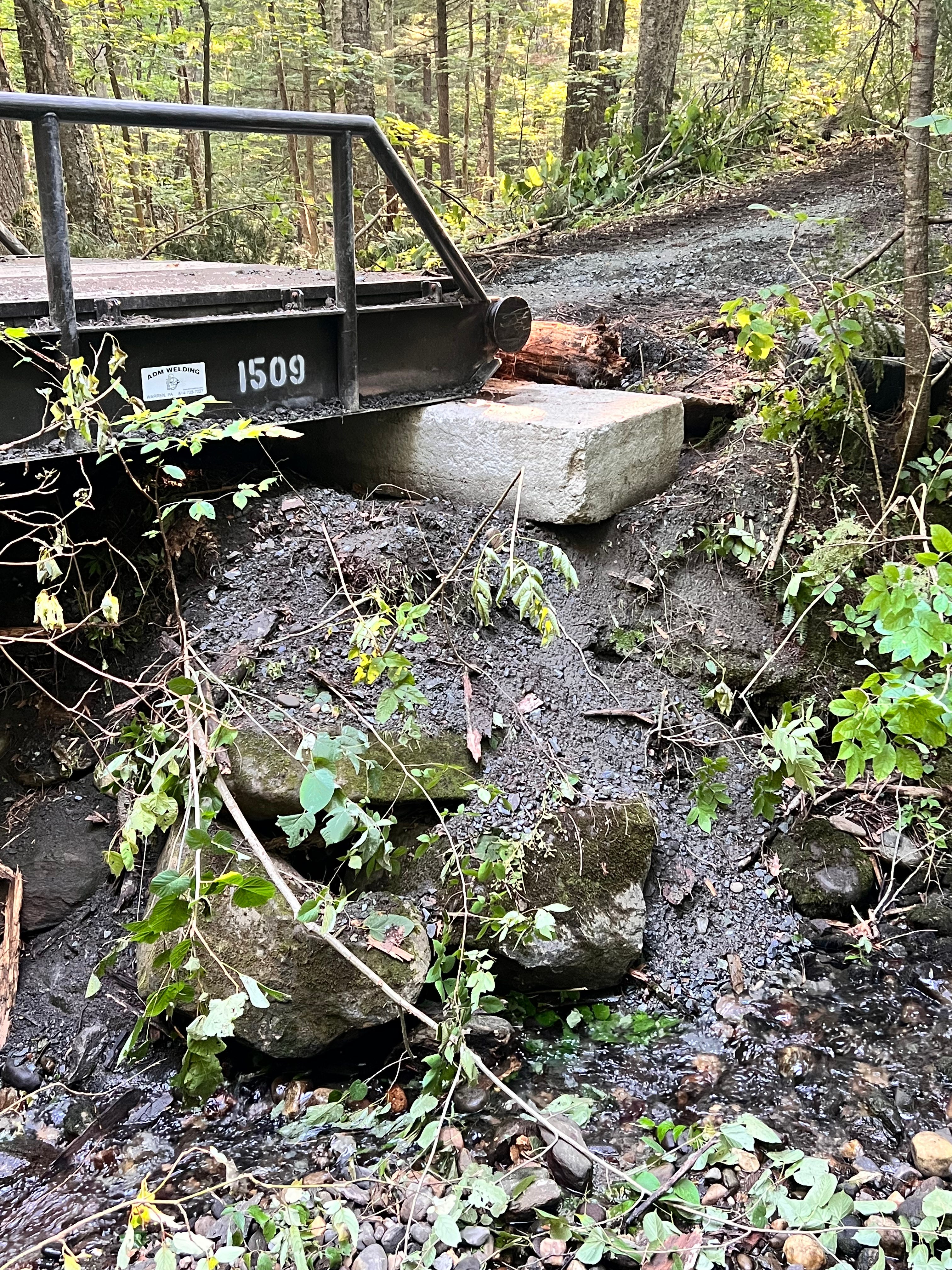
The rules get surprisingly specific. Roads are supposed to shed runoff before it reaches a stream. Ditches aren’t supposed to empty directly into the water. Exposed soil around crossings has to be stabilized. Temporary crossings have to be removed and the channel restored. The objective running through all of it is simple: keep the road out of the brook.
Standing beside Honey Brook, looking at freshly turned earth and muddy tracks beside the water, these were no longer abstract forestry rules on a page.
Before this week, I had assumed that work around a stream like this would require a permit. What I learned was more complicated.
Vermont exempts logging operations that comply with the AMPs from certain environmental permitting requirements that might otherwise apply. Under qualifying circumstances, that includes stream-alteration permitting.
I understand the bargain Vermont has made. Working in a forest requires roads. Roads cross water. Requiring every forestry operation to navigate the full machinery of the State’s environmental permitting process would impose another layer of regulation on a working forest. The AMPs offer another path: follow an established set of practices designed to protect water quality, and qualifying forestry operations can proceed without some of the permits that might otherwise be required.
There is a certain logic to that.
But a bargain only works when both sides are kept.
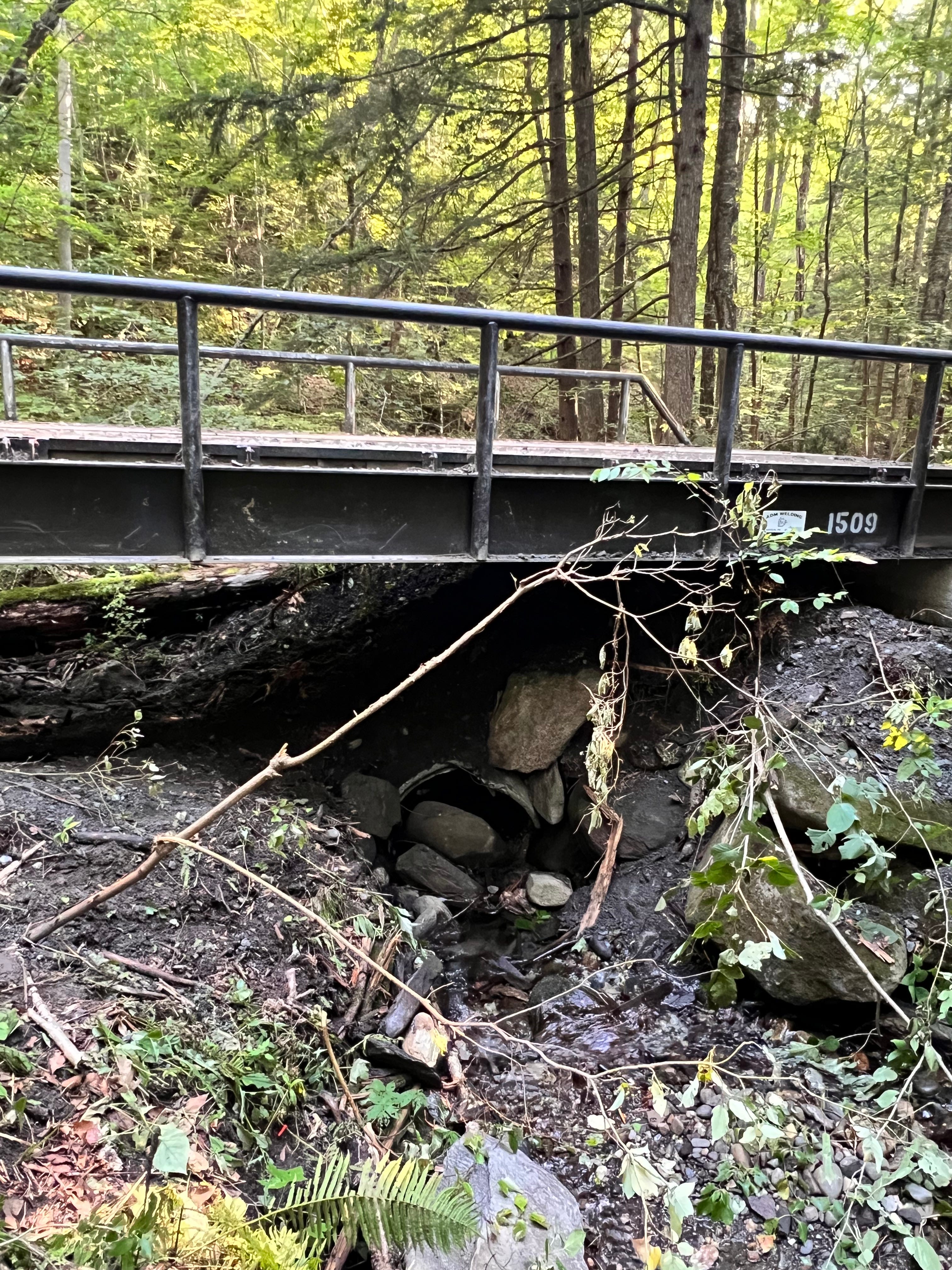
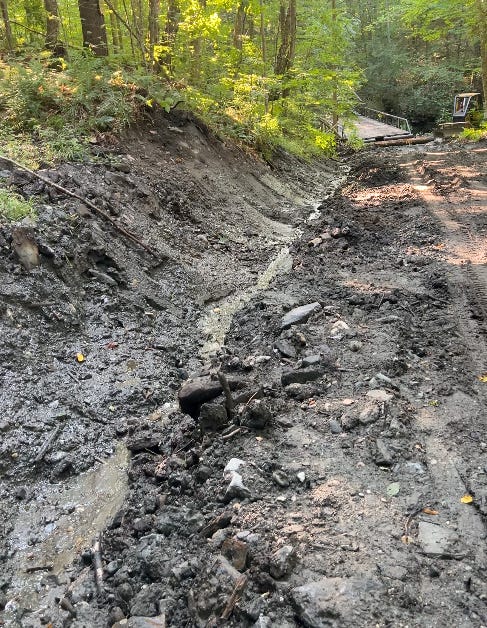
Standing beside Honey Brook with its banks torn and cut, its cold flow slowly finding its way past upturned rocks and debris, I was left with another question: what happens when these practices aren’t followed?
That afternoon, I started calling anyone I thought might have an answer. I reached out to representatives at Vermont’s Agency for Natural Resources and the Department of Environmental Conservation. Most of my calls went to automated voicemail boxes that promised a response within a few business days. I expanded my search, contacting attorneys and non-profits.
By the end of that first day, I had spoken to foresters, regulators, fellow landowners, loggers, town officials, and even a state representative, each with some authority or interest in what was happening in this valley. Nearly everyone I showed the photographs to shared some measure of concern. Several identified conditions they believed were inconsistent with the AMPs. And yet the machinery remained.
I had identified the system designed to protect the brook, and yet I couldn’t figure out who was actually responsible for making the system act.
The logger has trees to cut. The forester has a harvest to oversee. The town has a road to maintain. The State has rules to administer. Landowners have rights to protect. Everyone, it seems, has some claim to Honey Brook and the land through which it runs.
But as I sit here now, I keep thinking of Honey Brook slipping between the newly turned stones and continuing downstream. What happens if the next hard rain carries the exposed earth into the water? In a few short months, when the brook trout begin moving toward their spawning grounds, will they still be able to reach them? What happens through winter if the pools and gravel they depend on fill with sediment?
These are questions the trout cannot ask.
And, more than anything, they leave me with one of my own:
When the rules we’ve put in place to protect wild places like this are overlooked, who speaks for the brook?
The logging project on Honey Brook is currently underway. Stay tuned for more reports about its status in the coming days and weeks.
An excellent and superbly written article which I enjoyed reading but which also filled me with significant concern for the brook